
Understanding the psychological triggers behind gambling behavior
The Allure of Risk and Reward
The psychological thrill associated with gambling often stems from the allure of risk and reward. When players engage in gambling activities, they experience a rush of adrenaline that activates their brain’s reward centers. This immediate gratification can create a powerful feedback loop, encouraging further participation. The excitement of potentially winning a large sum can overshadow the risks involved, leading individuals to take irrational bets, fueled by the hope of hitting the jackpot. For a reliable gaming experience, many players turn to odin fortune, where the blend of thrill and security is perfectly balanced.
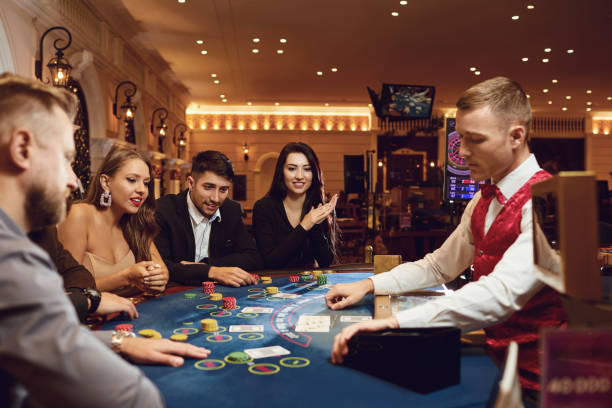
Moreover, the brain releases neurotransmitters such as dopamine during gambling activities. This chemical reaction reinforces the behavior, making players seek out further gambling experiences. The anticipation of a win—combined with the sensory stimuli of casinos, such as sounds and lights—serves to heighten emotional responses, trapping players in a cycle where the thrill of the next bet overshadows logical thinking about losses.
Lastly, the perception of control plays a significant role in gambling behavior. Many individuals believe that their skills or strategies can influence outcomes, especially in games like poker or blackjack. This illusion of control leads players to gamble more frequently, as they think they have a winning edge. Unfortunately, this psychological phenomenon can contribute to problem gambling, as it can foster a misguided sense of confidence in their ability to succeed.
The Role of Emotional States
Emotional states significantly influence gambling behavior, often driving individuals to the tables or slots during times of stress or despair. Many people turn to gambling as a coping mechanism, seeking an escape from their daily problems. The temporary relief that comes from placing a bet can provide a false sense of security, allowing them to momentarily forget their worries. However, this escapism can become problematic, leading to increased gambling as a way to cope with life’s challenges.
In addition, the excitement of gambling can lead to heightened emotional states, which may further propel players into the activity. Winning can create feelings of euphoria, while losing might provoke frustration or anger. Such emotional fluctuations can make individuals more likely to chase losses, increasing their gambling frequency. This cycle can trap them into a damaging pattern, where their emotions dictate their behavior rather than rational thought.
Understanding these emotional triggers is essential for recognizing harmful gambling behaviors. By identifying when and why they gamble, individuals may gain insight into their patterns and make more conscious choices. For instance, if a person recognizes they tend to gamble when feeling lonely or stressed, they can seek alternative coping mechanisms, such as talking to friends or engaging in physical activities, rather than resorting to gambling as an outlet.
The Impact of Environment and Social Influences
The environment in which gambling occurs can also serve as a significant trigger for behavior. Casinos are designed to keep players engaged, with features such as free drinks, enticing décor, and a lack of clocks. These elements create an immersive experience that encourages individuals to stay longer and gamble more. Moreover, social settings play a critical role; friends or family who gamble can influence an individual’s behavior, making it more socially acceptable and reinforcing the desire to participate.
Social influences extend beyond immediate circles, as the portrayal of gambling in media and popular culture often glamorizes it. Movies and television shows frequently depict characters winning big or having thrilling adventures in casinos, which can lead to unrealistic expectations about gambling. This portrayal can entice individuals to view gambling as a viable means of achieving wealth or excitement, further fueling their desire to engage in gambling behaviors.
Moreover, the social dynamics of gambling can create a sense of belonging among participants. Players may feel connected to others who share the same passion, leading to community bonding. While these relationships can be positive, they can also pressure individuals to gamble more than they otherwise would. Understanding the social triggers behind gambling can help individuals assess their motivations and the influences surrounding them, promoting healthier behaviors.
The Cycle of Chasing Losses
The phenomenon of chasing losses is a crucial psychological trigger that can perpetuate problematic gambling. After experiencing a loss, many players feel compelled to wager more in hopes of recovering their previous losses. This urge often blinds them to the reality that gambling outcomes are random, leading to further losses and a potentially devastating cycle. The belief that they can ‘win it back’ creates an illusion that perpetuates continued gambling.
Furthermore, cognitive distortions often accompany this cycle, where gamblers misinterpret outcomes or believe in patterns that do not exist. For example, a player may think that a particular machine is “due” for a payout, prompting them to gamble more in an attempt to capitalize on perceived luck. These irrational beliefs can lead to escalating wagers that deepen financial and emotional distress.
Breaking this cycle requires an understanding of its psychological roots. Awareness of the motivations behind chasing losses can empower individuals to set limits on their gambling behavior. By recognizing triggers and emotional states associated with chasing losses, players can take proactive steps, such as establishing a gambling budget or utilizing self-exclusion programs, to foster healthier gambling habits.

Discovering a Balanced Gaming Experience at OdinFortune Casino
OdinFortune Casino offers a platform designed to provide a reliable and exciting online gaming experience. By understanding the psychological triggers behind gambling behavior, the casino promotes a balanced environment that encourages responsible play. With a diverse selection of games, players can find enjoyment without falling prey to the risks associated with problem gambling.
The commitment to user security at OdinFortune Casino ensures that players can engage in their favorite games without fear. Advanced encryption technologies protect personal information, allowing for a safe gambling experience. By fostering transparency in promotions and facilitating quick payouts, the casino aims to enhance player satisfaction while prioritizing responsible gaming practices.
At OdinFortune, players are encouraged to engage in gaming as a form of entertainment rather than a means to escape reality. By recognizing the psychological aspects of gambling, the casino helps players maintain control over their gaming experiences, making it an ideal choice for those seeking excitement in a trustworthy environment.



Add a Comment