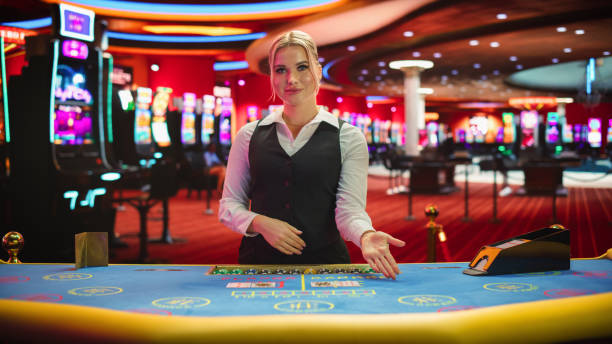
Cultural nuances shaping casino experiences around the globe
Understanding Local Customs in Gambling
Gambling is not merely a game of chance; it is deeply intertwined with local customs and traditions that shape the experience for players. In countries like Japan, for example, Pachinko parlors serve as unique entertainment venues where social interaction is as crucial as winning. Players often gather in these vibrant spaces to engage not only in gambling but also in communal experiences that enhance the cultural significance of play. Our site provides comprehensive rankings and reviews of best no kyc crypto casino options, allowing players to find a seamless gaming experience that suits their needs.

Moreover, cultural beliefs about luck and fortune significantly influence gambling behaviors. In Western contexts, symbols like four-leaf clovers or horseshoes are considered lucky. In contrast, many Asian cultures regard the color red as auspicious and often incorporate it into casino designs and decorations. These cultural nuances can transform the gambling experience, making it not just about winning money, but also about embracing a broader cultural narrative that defines the gambling landscape.
Additionally, etiquette surrounding gambling varies widely across cultures. In some places, dressing up for a night at the casino is a tradition, while in others, a more relaxed dress code is acceptable. Understanding these nuances not only enhances the gaming experience but also builds respect among fellow players and the establishment. For instance, adhering to local customs can lead to a more enjoyable and memorable experience, as it encourages social connections and deeper engagement with the gaming environment.
The Role of Technology in Diverse Gambling Environments
Technology continues to revolutionize the global gambling scene, leading to vastly different experiences based on regional adoption and infrastructure. In the United States, the rise of online gambling platforms and mobile applications has changed how players engage with casinos. Instant access to games through smartphones has reshaped expectations, with players seeking convenience and variety at their fingertips. This technological shift is reshaping local gambling cultures, as younger generations embrace these digital platforms while older generations may still prefer traditional venues.
Conversely, in regions where technology infrastructure is less developed, traditional forms of gambling remain popular. In many African nations, for instance, community gaming events such as betting pools or physical bingo games are integral to social gatherings. These forms of gambling encourage social interaction and participation, demonstrating how technology can either enhance or limit casino experiences. Understanding these different technological landscapes can guide players in choosing venues that best fit their preferences.
Furthermore, advancements like virtual reality and augmented reality are beginning to shape the future of casino experiences worldwide. These technologies promise to offer immersive gaming environments that transport players into new realms, providing a heightened sense of engagement. As these technologies become more mainstream, they will likely create unique opportunities for cultural exchange, where players from different backgrounds can enjoy gaming experiences that blend tradition with innovation.
Regulatory Differences and Their Impact on Casino Culture
The regulatory environment surrounding gambling varies significantly across the globe, impacting how casinos operate and the experiences they offer. In places like Macau, where gambling is legal and heavily regulated, the casino experience is luxurious and lavish, drawing millions of tourists each year. The focus on high-end experiences reflects the cultural importance of gambling in this region, where it serves as both an entertainment hub and a significant economic driver.
Conversely, in countries where gambling is heavily restricted or illegal, underground or informal gambling activities thrive. In such cultures, gambling often takes on an air of secrecy and rebellion, shaping the experience into something more exhilarating yet potentially risky. Players in these environments may develop unique rituals or customs as a form of resistance against regulatory constraints, further enriching the cultural narrative surrounding gambling.
Moreover, varying age restrictions and identification requirements across different regions shape who participates in gambling and how. In many Western countries, the legal gambling age is 21, while in others, it may be as low as 18. These regulations not only dictate access but also influence the demographic makeup of players, thereby shaping the social atmosphere of casinos. By understanding these regulations, players can navigate the gaming landscape more effectively and make informed choices about where to engage.
Cultural Influences on Casino Design and Atmosphere
The design and atmosphere of casinos are profoundly influenced by local cultures and aesthetic preferences. In Las Vegas, extravagant themes and dazzling lights create an atmosphere of excitement and excess, appealing to a consumer culture that values entertainment and spectacle. This design philosophy caters to a diverse clientele, providing an environment where the gambling experience is just one facet of a multifaceted entertainment package.
In contrast, casinos in European cities often emphasize elegance and sophistication, with a focus on classic games and refined decor. Establishments in places like Monte Carlo incorporate historical elements and opulent interiors that reflect the region’s rich heritage. These design choices resonate deeply with local customs, attracting patrons who appreciate not only the games but also the artistry and cultural significance of their surroundings.
In Asian markets, the incorporation of feng shui principles into casino design is increasingly popular. Many establishments consider elements such as layout, colors, and materials to promote positive energy and good fortune. This holistic approach to design reflects cultural beliefs and can influence players’ experiences, creating an ambiance that resonates with their values and expectations. Understanding these design philosophies can lead to a more enriched gaming experience, as players appreciate the thoughtful integration of culture into their surroundings.

Exploring Future Trends in Global Gambling
As the global landscape of gambling evolves, several trends are emerging that will shape the future of casino experiences worldwide. One notable trend is the increased integration of cryptocurrencies, which offer anonymity and flexibility for players. The rise of no-KYC (Know Your Customer) crypto casinos allows users to engage in gaming without undergoing extensive identity verification, making the experience more accessible. This trend could significantly alter the dynamics of online gambling, appealing particularly to younger, tech-savvy players.
Additionally, the focus on responsible gambling is gaining traction across various jurisdictions. Casinos are implementing measures to promote safe gaming practices, such as self-exclusion programs and educational resources for players. This cultural shift towards responsible gambling reflects a growing awareness of the social implications of gambling and underscores the importance of creating a safe environment for all participants.
Finally, the blending of cultural experiences with gaming is likely to become more pronounced. As players seek authentic experiences that resonate with their values, casinos may increasingly incorporate elements of local culture into their offerings. This could include themed events, collaborations with local artists, and culinary experiences that celebrate regional cuisine. By embracing cultural diversity, casinos can attract a broader audience and create an enriched gaming environment that reflects the unique identities of the communities they serve.