
Understanding the Gambler’s Mindset
Engaging with casino games is a fascinating interplay of chance and psychology. At its core, gambling taps into fundamental human desires for excitement, reward, and the thrill of the unknown. Understanding these psychological drivers is key to managing one’s experience effectively and ensuring it remains an enjoyable pursuit rather than a detrimental habit. Recognizing the allure of potential wins, the near misses, and the social aspects are all part of deciphering the gambler’s mindset, and for those seeking a different kind of engagement, exploring options like chicken road game online can offer a unique diversion.
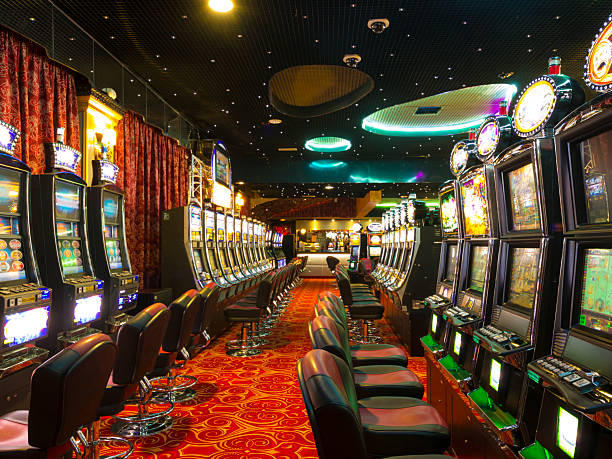
The brain’s reward system plays a significant role, releasing dopamine with every near win or actual payout, creating a powerful feedback loop. This chemical release can be highly addictive, influencing decision-making even when odds are unfavorable. Furthermore, cognitive biases, such as the illusion of control or the gambler’s fallacy, can distort rational thinking, leading individuals to believe they can influence outcomes that are purely random.
The Role of Emotional Regulation in Casino Play
Emotional regulation is paramount for a healthy casino experience. Many players enter the casino environment seeking to escape stress or find a thrill, but allowing emotions to dictate betting patterns can be perilous. Experiencing a losing streak can lead to frustration and impulsive betting in an attempt to recoup losses quickly, often exacerbating the problem. Conversely, a winning streak can lead to overconfidence and a disregard for established limits.
Developing strategies to manage emotional responses is crucial. This includes setting clear win and loss limits before starting to play and sticking to them rigorously. Taking breaks when emotions run high, practicing mindfulness, and focusing on the entertainment aspect rather than solely on financial outcomes are effective techniques. A calm and collected demeanor allows for clearer decision-making and a more sustainable engagement with the games.
Cognitive Biases and How to Counter Them
Several cognitive biases can significantly impact gambling decisions. The “gambler’s fallacy,” for instance, is the mistaken belief that if something happens more frequently than normal during some period, it will happen less frequently in the future, or that if something happens less frequently than normal during some period, it will happen more frequently in the future. This is particularly relevant in games of chance like roulette, where past spins have no bearing on future outcomes.
Another common bias is the “illusion of control,” where players believe they have a degree of influence over random events through rituals, specific betting patterns, or superstitions. Recognizing these biases is the first step to overcoming them. By focusing on the statistical probabilities and understanding the inherent randomness of casino games, players can make more rational choices and avoid falling prey to flawed logic. Relying on objective data rather than gut feelings is a powerful countermeasure.
Setting Boundaries for Responsible Gambling
Responsible gambling is built upon a foundation of clear, enforceable boundaries. These boundaries encompass both time and money. Deciding in advance how much money can be allocated to gambling and strictly adhering to that budget prevents financial distress. Similarly, setting time limits for gaming sessions ensures that gambling does not encroach upon other important aspects of life, such as work, family, or personal well-being.
These limits are not restrictions on fun but rather essential tools for maintaining control and ensuring a positive experience. Regularly reviewing one’s gambling habits and seeking professional help if concerns arise are also critical components of responsible play. Many reputable casino platforms, including those that strive for user well-being, offer tools to help players set these crucial boundaries.

The Psychology Behind Strategic Casino Engagement
The psychology of strategic casino engagement is about more than just chance; it involves understanding risk, reward, and probability. For games where skill plays a part, like poker or blackjack, developing a strategic mindset is crucial. This involves not only understanding the game mechanics but also analyzing opponents, managing one’s own emotional state, and making calculated decisions based on the available information. The thrill of a strategic victory often stems from outsmarting opponents and mastering the game’s intricacies.
Even in games of pure chance, a strategic approach can enhance the experience. This might involve choosing games with a lower house edge, understanding payout structures, and knowing when to walk away. Platforms like this one often provide resources and insights to help players understand these nuances, fostering a more informed and psychologically grounded approach to gambling. By focusing on informed play and self-awareness, the casino experience can be a source of entertainment and intellectual stimulation, rather than just pure chance.