
Exploring the cultural significance of casinos around the world
The Historical Roots of Casinos
The origins of casinos can be traced back to ancient civilizations, where games of chance were often played in public spaces. In places like Rome and China, gambling was not merely a pastime but an integral part of social and cultural gatherings. Over centuries, this evolved into the modern casino, reflecting societal values and norms. The first official casino, the Casino di Venezia, opened its doors in 1638, marking the beginning of a new era where gambling became institutionalized. In this context, you can also discover more at the Cricket Duel official site.

As casinos developed, they began to symbolize luxury and extravagance, attracting visitors from all walks of life. The opulent designs, high-stakes games, and vibrant atmospheres became synonymous with entertainment and social interaction. In this way, casinos not only served as gambling hubs but also as cultural landmarks, representing the spirit of the times and the places they inhabited.
Casinos as Social Hubs
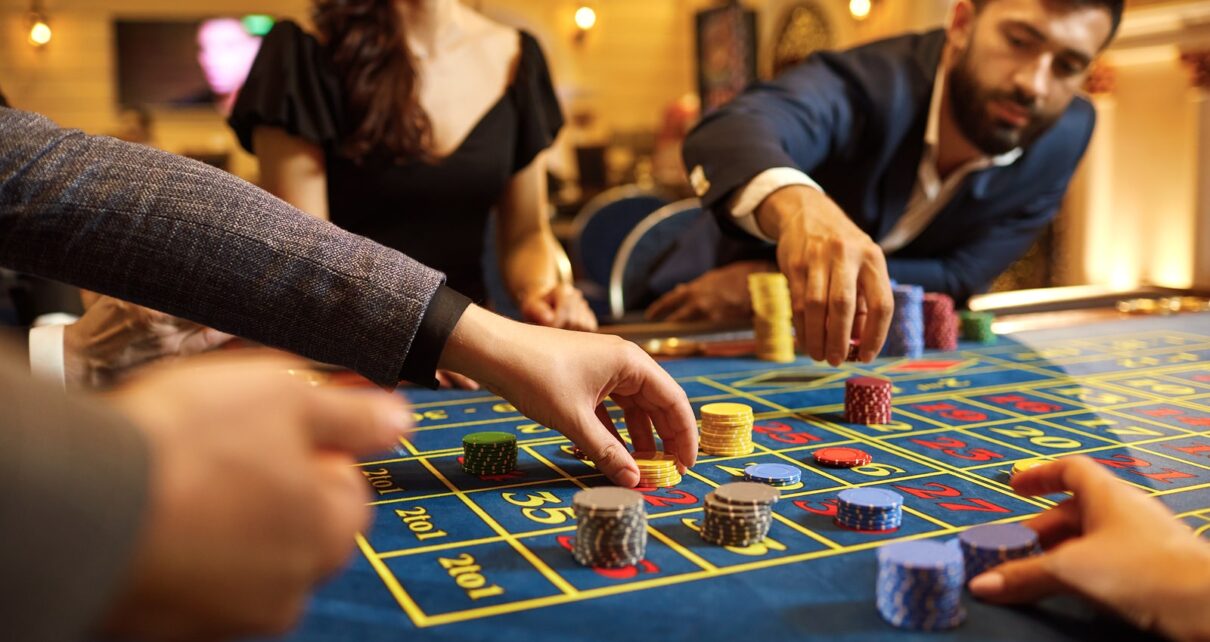
Throughout history, casinos have played a pivotal role in shaping social interactions. They are often venues where individuals come together, transcending cultural and social barriers. Many people view casinos as community gathering spots, where relationships are formed and strengthened over a game of poker or a spin of the roulette wheel. This communal aspect of casinos fosters a unique blend of competition and camaraderie, similar to what is found in popular casino games explained in various guides.
Moreover, casinos often host events, shows, and exhibitions, further enriching their role as cultural hotspots. These events attract diverse crowds and create an atmosphere of excitement and anticipation. In many regions, casinos contribute significantly to local economies by driving tourism and generating employment, solidifying their status as vital parts of the cultural fabric.
The Influence of Local Cultures
Casinos often reflect the cultures in which they are situated, incorporating local customs, games, and aesthetics into their operations. For instance, in Macau, the blending of traditional Chinese gambling practices with modern casino experiences creates a unique environment that attracts millions of visitors annually. Similarly, in Las Vegas, the city’s vibrant nightlife and entertainment culture are mirrored in the extravagant designs and themes of its casinos.
This cultural fusion not only enriches the gambling experience but also encourages visitors to engage with local traditions and customs. The design of casinos often pays homage to the heritage of the region, incorporating local art and architecture, which enhances their appeal and significance within the community.
The Impact of Technology on Gambling Culture
The rise of technology has transformed the landscape of casinos, introducing online gambling and mobile gaming as viable alternatives to traditional venues. This shift has changed the way people engage with gambling, allowing for greater accessibility and convenience. While some fear that this could diminish the social aspect of casinos, it also opens up new avenues for cultural exchange and interaction.
As online casinos become increasingly popular, they often strive to recreate the vibrant atmospheres of physical casinos, incorporating interactive elements and community features. This technological evolution not only caters to a wider audience but also maintains the cultural significance of gambling by adapting to modern lifestyles while honoring traditional practices.
Exploring the Future of Casinos
As we look toward the future, the cultural significance of casinos will likely continue to evolve. With increasing globalization, casinos are poised to become even more integral to the fabric of international culture. The merging of diverse gambling traditions offers a rich tapestry of experiences for both players and spectators alike.
The online gaming sector, combined with the resurgence of live entertainment, suggests a bright future for casinos as cultural landmarks. As they adapt to the changing preferences of consumers, casinos will remain relevant and continue to foster social connections, economic growth, and cultural appreciation across the globe. For those interested in exploring the dynamic world of casinos, numerous resources and platforms offer insights into this fascinating cultural phenomenon.



Add a Comment